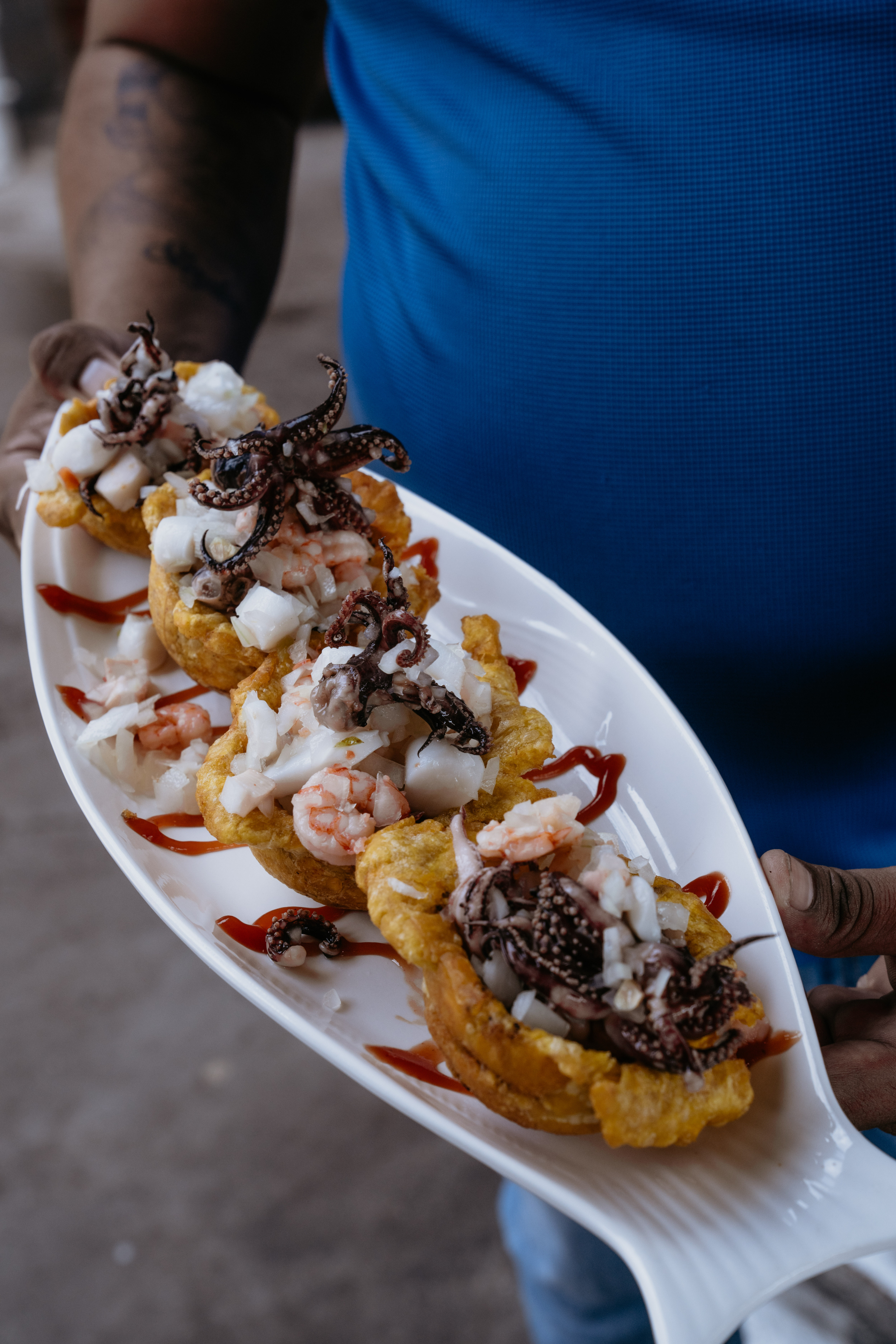
Discover why Forbes named Panama a “Gastronomic Crossroads” and one of the world’s emerging culinary destinations. From Afro-Antillean and Indigenous influences to vibrant restaurants like Fonda Lo Que Hay in Casco Viejo, Panama’s food scene blends history, culture, and innovation. Explore Boquete’sForbes named Panama a 'Gastronomic Crossroads', an emerging culinary destination blending Afro-Antillean, Spanish, and Indigenous flavors. Here's why.
Forbes recently called Panama a “gastronomic crossroads,” and has begun encouraging travelers to place the country among the world’s emerging culinary destinations.
But for those of us who walk these streets every day, it feels like something deeper. It is the flavor of history, finally getting its due. If you trace the logic of the map, it was inevitable. Panama has always been the bridge, the narrow waist of the Americas where oceans meet and worlds collide. While the world knows us for the Canal, that marvel of engineering that severed a continent to unite the globe, the real story of connection is happening on the plate.
The Architecture of Flavor
To eat in Panama is to engage with a complex, centuries-old dialogue. This is not "fusion" cuisine concocted in a marketing meeting. It is the organic, sometimes messy, always beautiful result of coexistence.
You taste the Afro-Antillean legacy of the Canal workers in the spice of a sauce; the indigenous stewardship of the rainforest in the root vegetables; the memories of Spanish, Chinese, and Middle Eastern ancestors who crossed oceans and decided to stay. It is a cuisine of layers, built over generations of communities living, cooking, and sharing together.
The Soul of the Neighborhood: Fonda Lo Que Hay
To understand where this culinary narrative is heading, you must walk the streets of Casco Viejo. Tucked inside the historic Edificio El Colegio, you will find Fonda Lo Que Hay.
It is here that the philosophy of Panamanian food finds its most articulate voice. Chef José Olmedo Carles Rojas hasn't just opened a restaurant; he has reclaimed a cultural institution.
The "fonda", traditionally a humble roadside eatery, is elevated here without losing its soul. The menu is a love letter to the country’s roots, featuring dishes like twice-fried chicken that demands to be eaten with your hands, dipped in creamy mashed potatoes.
It is sophisticated, yes. But more importantly, it is authentic. It honors the past while boldly defining the future.
Beyond the City Limits
The narrative extends beyond the capital. In the highlands of Boquete, volcanic soil nurtures Geisha coffee that challenges the world's best vintages. In Bocas del Toro, the Ngäbe-Buglé community teaches us that cacao is not just a commodity, but a heritage. And on the Pacific coast, a new wave of eco-conscious hospitality is pairing "castaway" luxury with a deep respect for the ocean’s rhythms.
The Logic of Participation
Panama is not just a place to consume; it is a place to participate. The world is taking notice, with tourism numbers climbing 8.4% in the first half of 2025. For the intellectually curious investor, the metrics are compelling, but the context is key. In a dollarized economy with a framework that welcomes short-term rentals, owning property here is a way to align with a thriving ecosystem. It is an opportunity to support the local cultural economy while benefiting from a market that values both heritage and growth. It is, quite simply, a smart way to be part of the story.
An Open Invitation
Connectivity has always been our strength. Copa Airlines’ "Panama Stopover" program transforms a layover into a journey, allowing travelers to pause and explore the Isthmus at no extra airfare cost. It is a seamless way to experience the contrast, the history and the modernity, the city and the sea. We invite you to come see for yourself.
To walk the pedestrian streets, to taste the layers of history, and to understand why this narrow strip of land continues to captivate the world.
Welcome to the table. Welcome to Panama.